
Brazil Carnival Impact on Trade
 5 Minutes
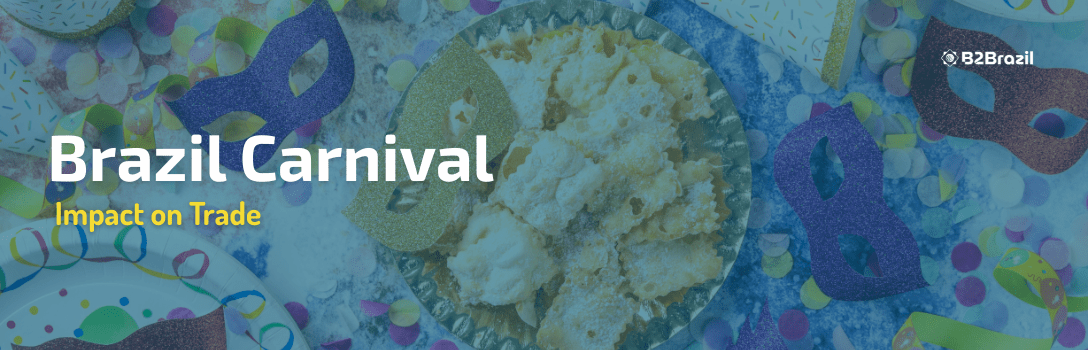
The Brazil Carnival impact extends far beyond colorful parades and samba music; it is an economic engine that defines Brazilian culture and influences international trade. Occurring annually just before Lent, this nationwide festival generates billions of dollars, creating unparalleled business opportunities in tourism, hospitality, textiles, and event management. For global entrepreneurs, understanding this cultural phenomenon is the first step to unlocking seasonal and year-round trade potential within Latin America's largest market.
When you look at the streets of Rio de Janeiro, Salvador, or Recife during February or March, you see a spectacular display of joy and tradition. However, behind the scenes, there is a highly complex supply chain working tirelessly. Carnival is not just a holiday; it is an industry. Millions of jobs are created, and the influx of foreign capital through tourism injects a vital stimulus into the Brazil economy.
To truly grasp the magnitude of Brazilian culture, you have to look at how this event touches almost every commercial sector. From the neighborhood tailor making custom costumes to multinational beverage companies launching new products, the festival creates a ripple effect. For international companies, this means a unique window to introduce products, supply raw materials, or offer specialized services.
The Supply Chain of Samba: A Global Effort
You might be surprised to learn how much Carnival relies on international trade in Brazil. The elaborate costumes worn by samba school members are rarely made entirely from domestic materials. Months before the first drum is struck, massive import operations take place.
Tons of sequins, feathers, synthetic fabrics, and specialized adornments are imported, predominantly from Asian markets. This high demand for specific raw materials creates a lucrative niche for global suppliers. If your company deals in textiles or synthetic adornments, the months leading up to Carnival are prime time for negotiations. Finding local buyers looking for high-quality, cost-effective materials is essential, and registering your company on the B2Brazil platform is a great way to connect with these Brazilian importers directly.
Beyond textiles, the audio and visual technology sectors see a massive spike. The massive sound trucks (trio elétricos) in Bahia and the intricate lighting systems in the Sambadrome require state-of-the-art equipment. Much of this technology, ranging from high-end mixing consoles to LED screens, is brought in from abroad, presenting clear Carnival business opportunities for tech exporters.
Food and Beverage: A Thirsty Market
Another sector that experiences a monumental boom is the food and beverage industry. Brazilians and tourists consume amounts of drinks during street parties (blocos). Breweries operate at maximum capacity, and the demand for imported spirits, energy drinks, and premium beverages skyrockets.
For international food and beverage brands, this is the perfect moment to execute market entry strategies. Sponsoring cultural events in Brazil or partnering with local distributors can instantly elevate brand visibility. Furthermore, the packaging industry sees a simultaneous boost, as the need for aluminum cans, sustainable cups, and specialized event packaging reaches its annual peak.
Navigating Logistics During the Festivities
While the Brazil Carnival impact is highly positive for sales, it requires careful logistical planning. As a B2B professional, you must know that the country essentially hits pause during the core days of the festival. Banks, government offices, and customs agencies operate with skeleton crews or close entirely.
If you are shipping goods to Brazil, timing is everything. Cargo arriving during Carnival week will almost certainly face delays. Savvy international traders plan their shipments to arrive weeks in advance. This foresight ensures that products clear customs smoothly and reach the distributors right when demand is peaking. It is always wise to coordinate closely with your local partners to understand the specific regional holidays, as the duration of the festivities can vary from city to city.
Long-Term Relationships Through Cultural Understanding
Doing business in Brazil is heavily reliant on relationships and trust. Recognizing the importance of Carnival in Brazilian culture shows your local partners that you respect and understand their lifestyle. It provides an excellent icebreaker and a shared topic of conversation that can make negotiations much smoother.
Sending a brief message to your Brazilian clients wishing them a great Carnival can go a long way in solidifying your business ties. It is these small, culturally aware gestures that often differentiate a successful international partnership from a purely transactional one.
Capitalizing on the Momentum
The energy of Carnival does not just vanish when the event ends; it sets the economic tone for the rest of the year. Many business deals initiated during the festive season transition into long-term contracts.
To make the most of this vibrant market, you need the right connections. Whether you want to export raw materials for next year's costumes or import unique Brazilian products that gain fame during the festival, having a reliable network is key. Exploring the B2Brazil platform can streamline this process, allowing you to showcase your products to thousands of verified Brazilian companies looking for international partners.
In the end, the Brazil Carnival impact is a perfect blend of cultural celebration and economic powerhouse. By aligning your business strategies with the rhythm of this incredible festival, you open the doors to one of the most dynamic markets in the world.
Frequently Asked Questions (FAQ) for Global Businesses
What is the economic impact of Carnival in Brazil?
Carnival is a massive economic driver, historically injecting over R$ 9 billion (approximately $1.8 billion USD) into the Brazilian economy in a matter of weeks. The festival creates tens of thousands of temporary jobs, drastically boosting domestic consumption and requiring a massive influx of imported goods and services.
How does Carnival affect international shipping and customs in Brazil?
During the core days of Carnival, normal business operations—including banking and customs clearance (Receita Federal)—slow down significantly or hit pause completely. International traders should expect logistical bottlenecks and plan for their shipments to arrive weeks in advance to ensure uninterrupted supply chains.
Which commercial sectors benefit the most from the Brazilian Carnival?
The sectors that experience the highest spike in international B2B demand include tourism and hospitality, food and beverage (particularly breweries and imported spirits), textiles and synthetic materials (for large-scale costume manufacturing), and professional audio-visual technology for massive street events.




© Distributed by




B2B TradeCenter clarifies that we do not offer jobs for extra income, packaging, and/or financial services.
We are an international consulting service specialized in regulatory support for the FDA.
Start conversation